PRISMA
PRISMA is a fictional cosmetics brand inspired by the worlds of music and gaming. This personal project was created as part of my Bachelor’s degree in UI Design and presented to a jury in March 2026.
Tools




Category
Brand Design / Webdesign
Type
School / Fictional
Time
6 months
Year
2025-2026
Context
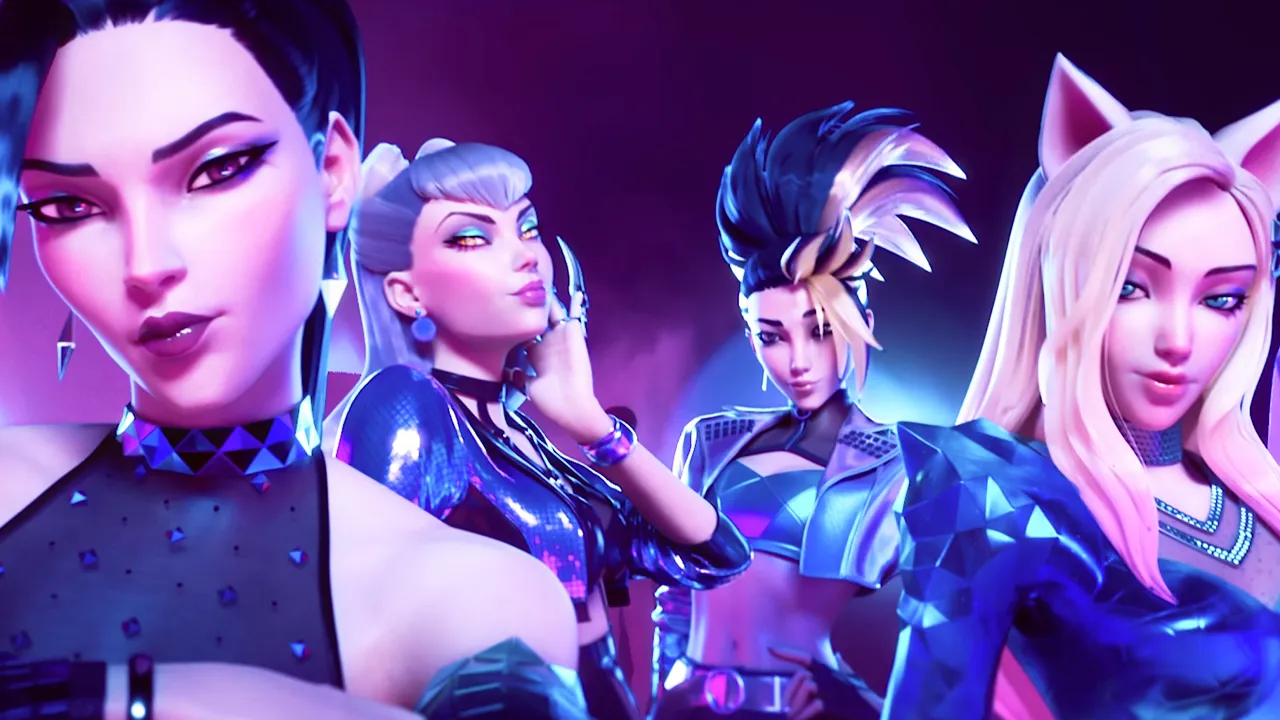
In this fictional project, renowned video game studio Riot Games, creator of League of Legends, aims to launch a makeup brand within one of its narrative universes: K/DA. This universe revolves around a virtual pop group whose members are characters from League of Legends.

Objectives
PRISMA is a makeup brand built around the concept of reverse product placement, allowing Riot Games to expand its cultural reach to a new audience beyond its existing gaming community. My goal was to create a complete cosmetics brand — including its visual identity, products, communication strategy, and e-commerce platform — while staying true to the distinctive universe and aesthetic of K/DA.
Project process
✦ Research & positionning
The first step was to learn more about the beauty industry’s visual standards and trends to establish a clear direction for the project.
Work completed:
• Client brief
• Market research into the cosmetics industry and brands targeting a similar audience, including a competitive benchmark
• Definition of project objectives, constraints, and opportunities for differentiation through a SWOT analysis
• Analysis of competitors’ SEO strategies and digital presence
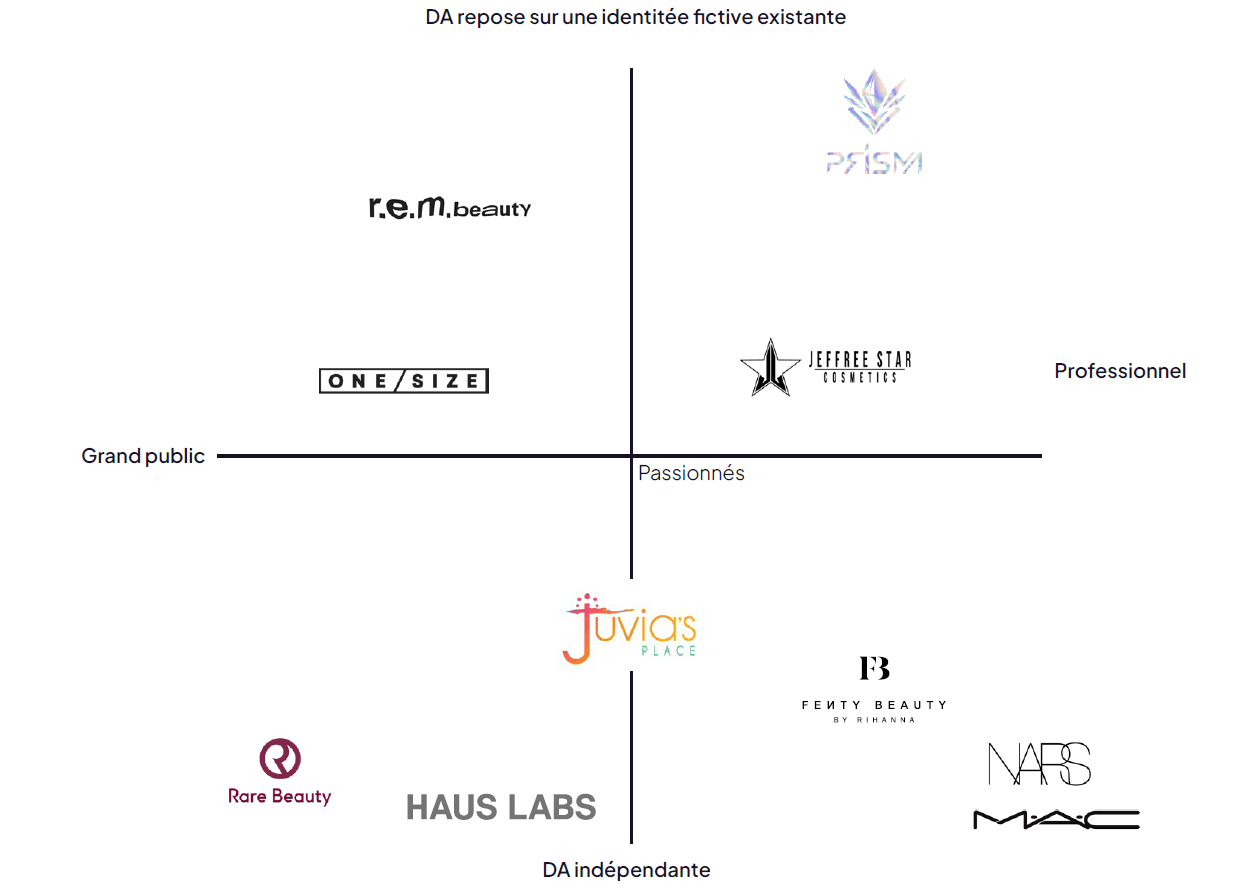
I was then able to define the brand’s positioning, target audience, and communication strategy while taking the project requirements into account.
✦ Artistic choices and visual identity
Objective: Build an immersive brand universe and storytelling experience by creating an innovative bridge between the virtual and real worlds.
Work completed:
• In-depth analysis of K/DA’s artistic universe and visual identity
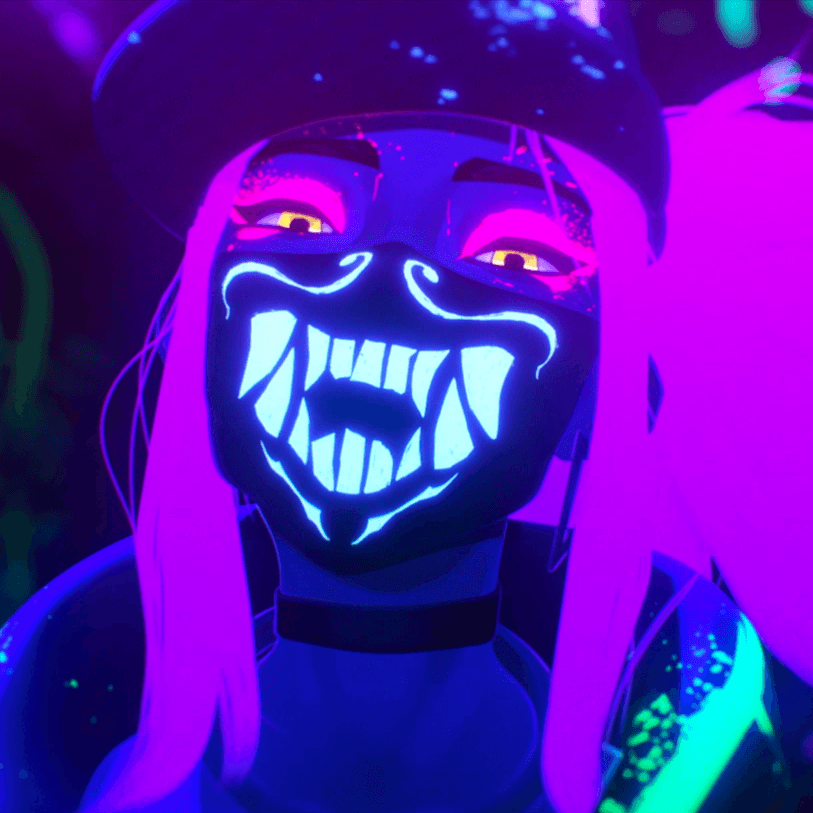


• Moodboard


• Logo and visual identity design (color palettes, fonts, iconography)
• Creation of the brand guidelines


✦ From digital to physical
Objective: Extend the brand identity across products and communication materials.
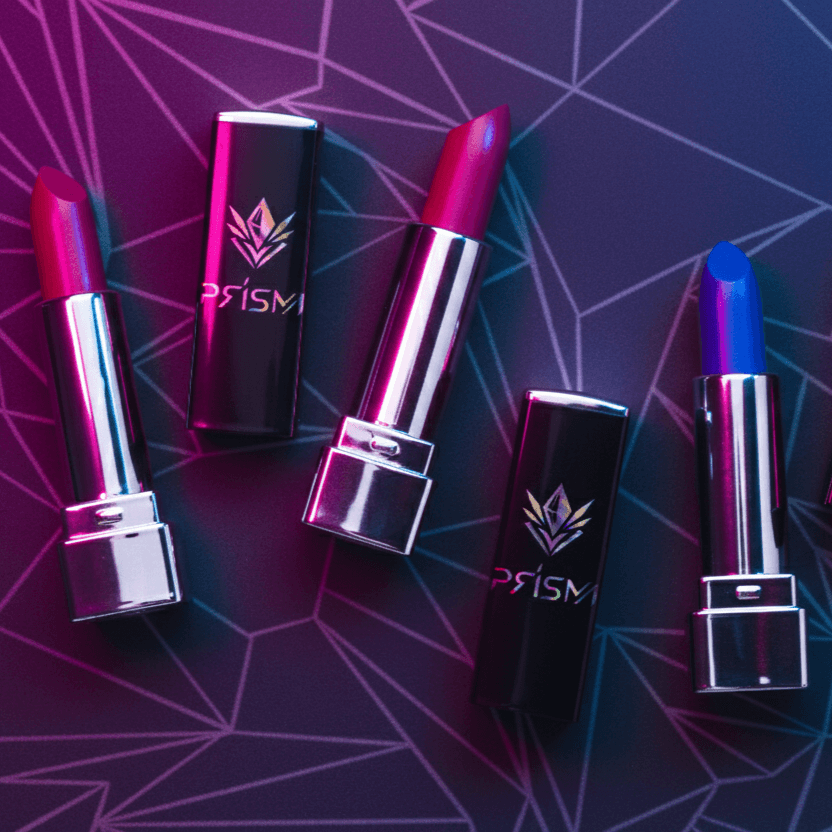
• Product development: naming, packaging, visuals, product shots, and storytelling.




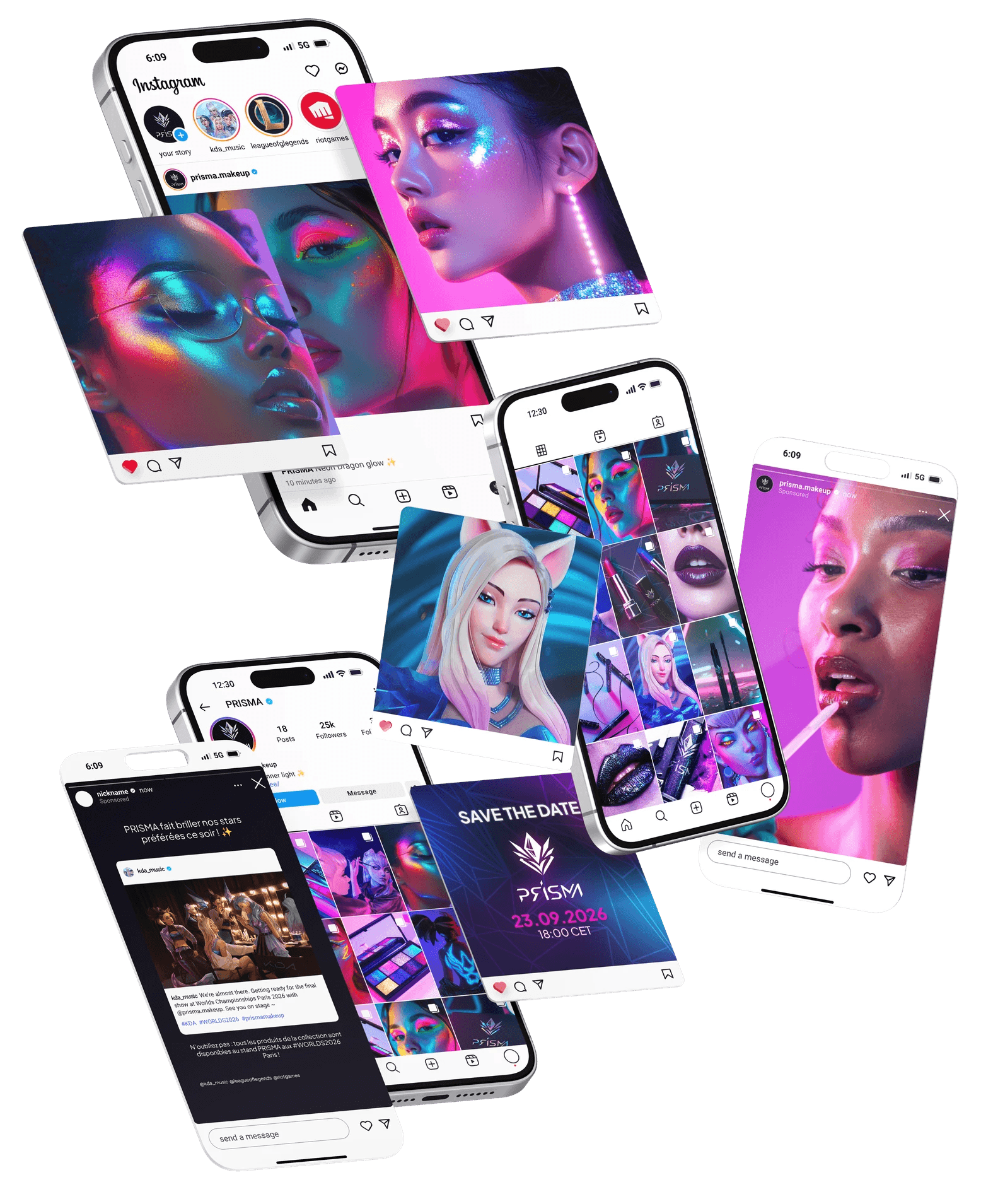
• Social media communication strategy, primarily focused on Instagram
• Creation of an editorial content calendar in Notion
• Newsletter creation using Mailchimp
• Production of a teaser video for the brand launch, including storyboarding, product animation, and video editing.
• Creation of print materials, including exclusive VIP thank-you cards for the first customers.


✦ E-commerce experience design
Objective: Create an immersive, seamless, and user-friendly shopping experience.
Work completed:
• Information architecture and user flows
• Wireframes and responsive, interactive Figma prototypes

Web Development:
• Development of the e-commerce website using WordPress, WooCommerce, and Elementor
• SEO audit and optimization

Testing & Optimization:
• User testing supported by a satisfaction survey
• W3C compliance testing and RGAA accessibility audit

Challenges
This project was particularly complex and would, in a real-world context, require significant technical, human, and financial resources. I therefore had to adapt, prioritize the most essential aspects of the project, and remain flexible when facing technical constraints.
The limited amount of content available around K/DA and Riot Games presented an additional challenge. I had to work within these limitations while aiming to deliver work that reflected the level of quality expected from an internationally renowned studio such as Riot Games.
As this was a fictional project, I was unable to gather actual client feedback. While this provided greater creative and decision-making freedom, it also introduced a degree of subjectivity when evaluating the final outcome. User testing therefore played an important role in providing a more objective perspective on the project and identifying areas for improvement.
Conclusion & Learnings
This experience was highly rewarding on several levels. It gave me the opportunity to approach the creation of a brand from the ground up — from developing its visual identity and storytelling to adapting it across multiple touchpoints, designing the products, and planning its communication strategy.
I also gained a deeper understanding of e-commerce website design, including key considerations around compliance, security, and accessibility. This experience changed the way I look at the websites I interact with every day, encouraging me to adopt a more technical and analytical approach to digital experiences.